






The fourth and final module of the Leaders for Public Health 2.0 program at UCU Business School marked the culmination of an intensive learning journey for a new generation of public health leaders. Over several months, healthcare managers, local government representatives, and civil society professionals moved from exploring global public health strategies to designing human-centered solutions tailored to the needs of their communities. Throughout the program, participants developed the knowledge, skills, and leadership mindset needed to view the nation’s health not as a collection of isolated challenges, but as a complex, interconnected ecosystem requiring collaborative and systemic solutions.
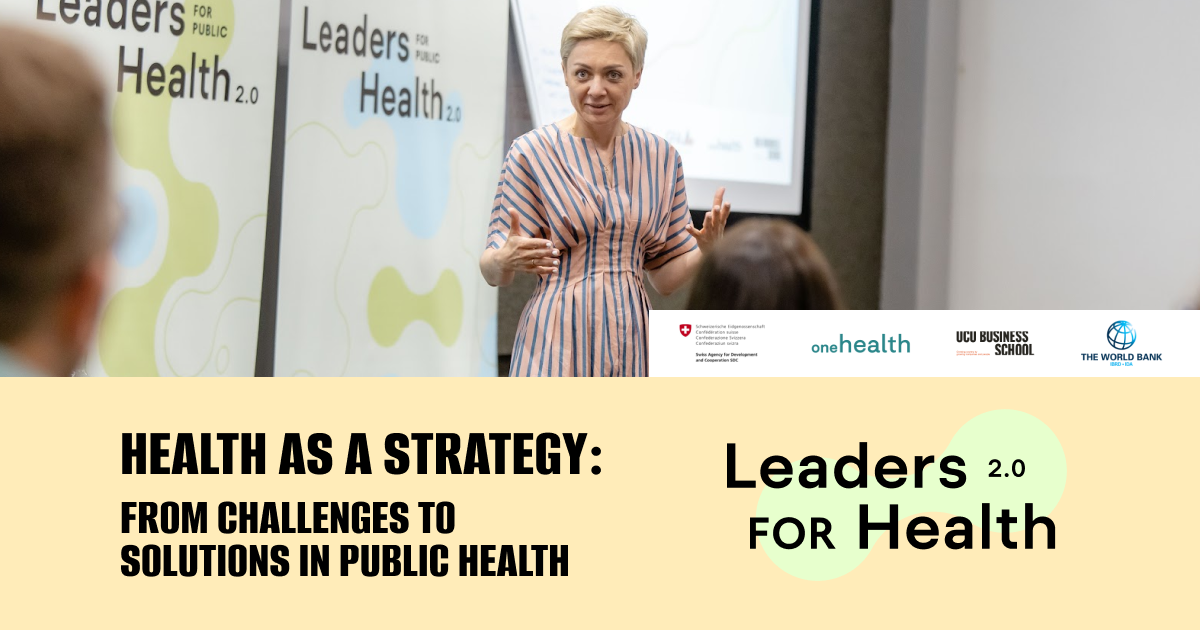 Building Leadership Capacity Through Social Innovation
Throughout the program, participants explored the Health in All Policies approach, which recognizes that decisions across every sector—from urban planning to education—have a profound impact on people’s health and well-being.
Explaining why this approach offers greater flexibility than the traditional healthcare model, Diana Savka, Head of the UCU Center for Public Health Development, said:
“Public health is an umbrella that enables meaningful cross-sector collaboration. It provides the flexibility to truly integrate health into all policies. This allows us to act proactively and shape a person’s health journey long before they ever become a hospital patient.”
A key component of the program was the application of design thinking. By conducting dozens of interviews and testing solution prototypes directly with end users, participants gained a deeper understanding of the needs of their communities and learned how to develop initiatives grounded in real human experience.
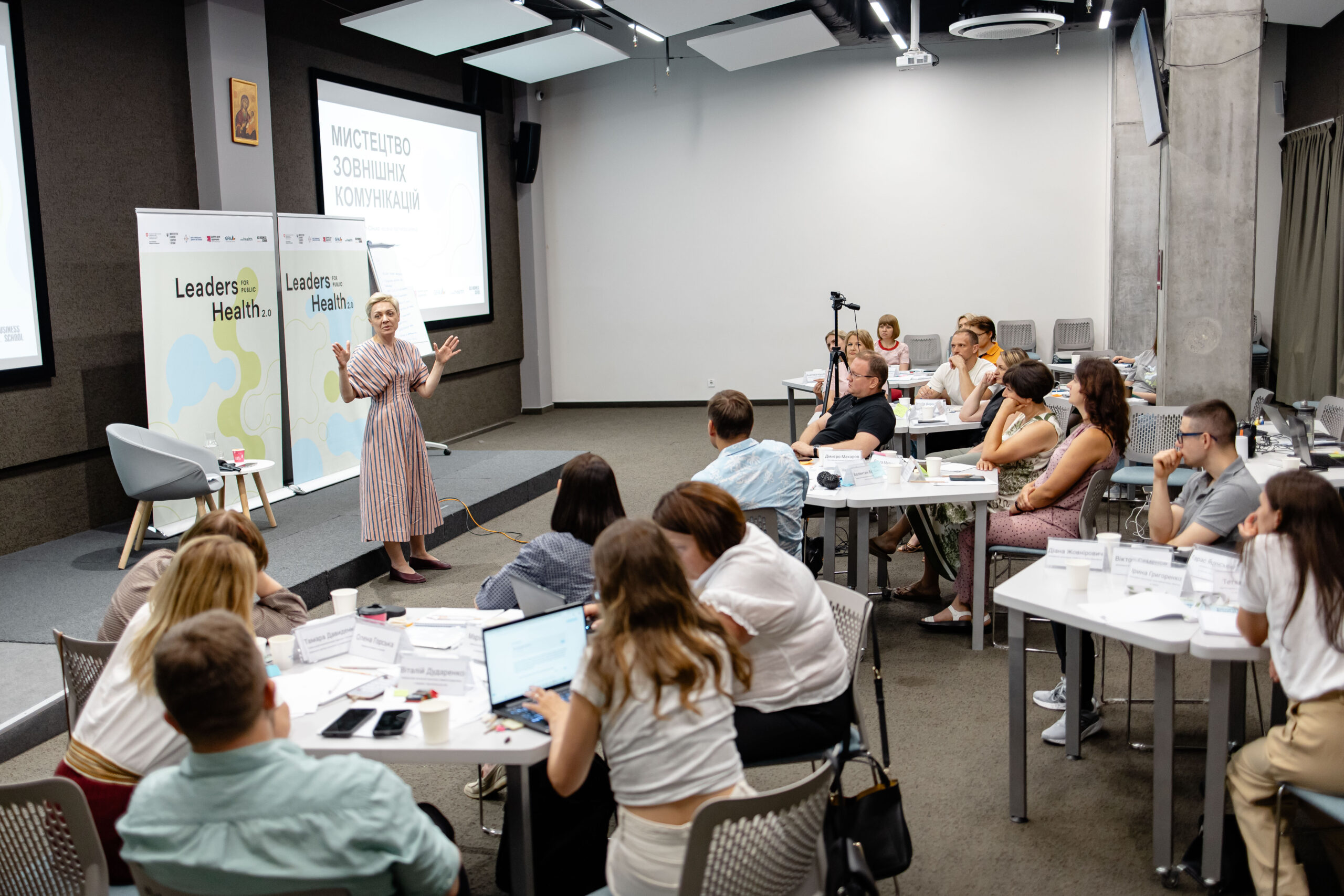 From Ideas to Systemic Solutions
The program concluded with presentations of strategic projects addressing some of Ukraine’s most pressing public health challenges. Teams developed initiatives focused on the prevention of non-communicable diseases, veteran reintegration, and safer educational environments.
Digital screening. The Healthy Man project created a low-barrier pathway connecting men aged 40+ with the healthcare system, promoting early screening for colorectal cancer and hypertension.
Safer schools. A multidisciplinary team representing several Ukrainian cities proposed a radon monitoring system for school shelters in the Kyiv region, where children spend significant amounts of time because of the war.
Youth leadership. The School of Leaders initiative introduced a peer-to-peer model aimed at reducing vaping among school students.
Veteran reintegration. In Zolochiv, participants designed a veteran support center based within a local hospital, where facilitators with lived combat experience play a central role in supporting fellow veterans.
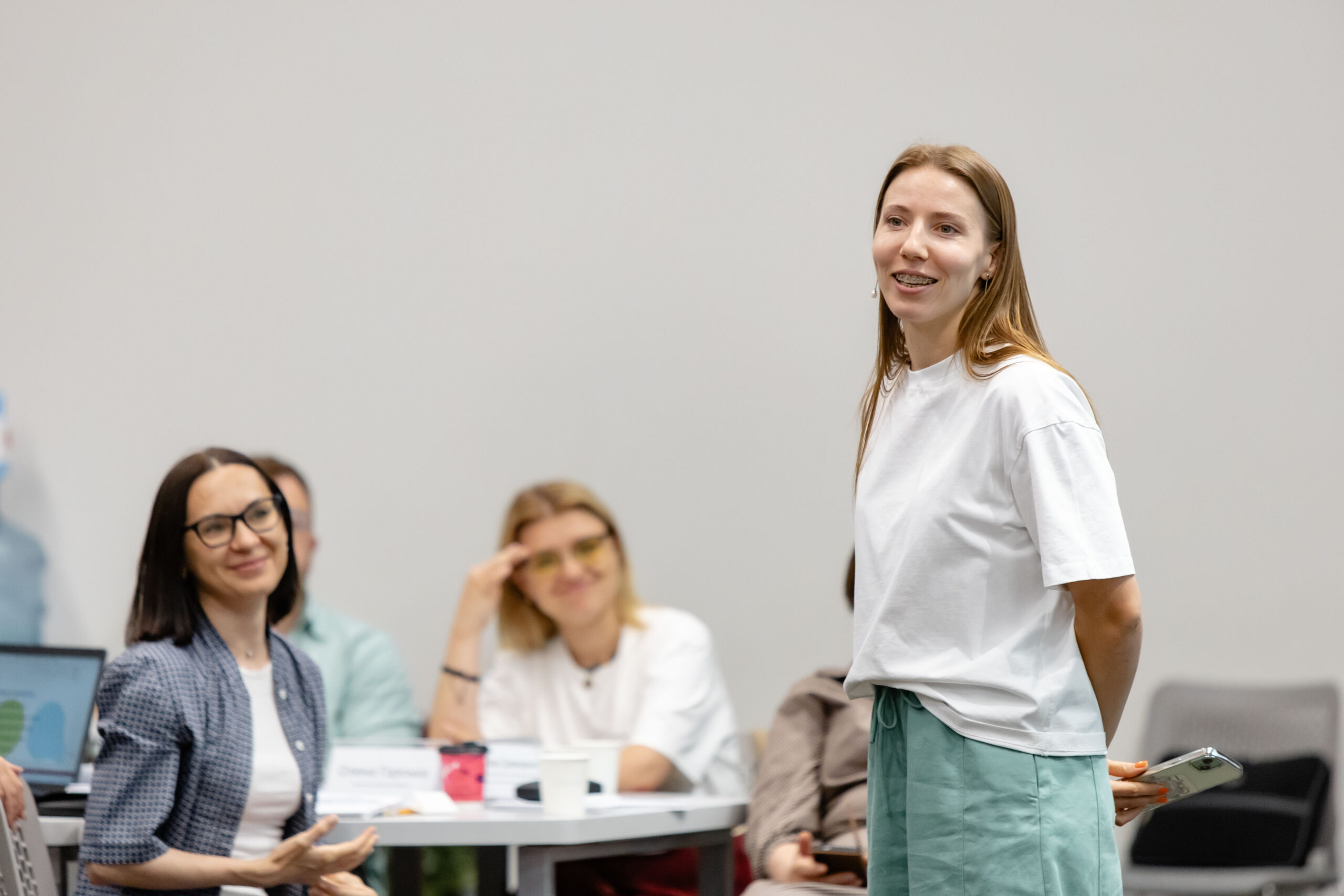 Reflecting on these initiatives, Yaryna Boychuk, CEO of UCU Business School, emphasized that each project begins with understanding people’s lived experiences:
“To transform people’s experiences, we must first understand the reality they face today and identify what will genuinely improve their lives and contribute to better health outcomes for them and future generations. Together, we can create the conditions that make these projects more systemic, sustainable, and structured.”
The importance of sustaining the community beyond the classroom was highlighted by Nataliia Olbert-Sinko, Director of One Health, the program’s long-standing partner:
“Through learning and by building this community, we strive to transform society, reshape the conversation around health, and empower people. It is inspiring to see our graduates—many of whom started as family physicians—become true leaders who launch or contribute to large-scale initiatives driving systemic change.”
 Personal Transformation and the Power of Community
The program also encouraged healthcare professionals and public sector leaders to recognize themselves as agents of change.
Dmytro Makarov, Director General of the Mykolaiv Regional Center for Disease Control and Prevention, reflected on both his professional and personal transformation during the program:
“Between submitting my application and graduating, my life changed dramatically. I applied as an epidemiologist working in a local hospital, and I am graduating as the Director General of the Regional Center for Disease Control and Prevention. Building these horizontal connections has probably been the greatest value of this program.”
Family physician Nadiia Shybalo believes that leadership is essential to Ukraine’s recovery:
“The key to transforming Ukraine lies within me. This program taught me that a leader is not simply someone who leads others but someone who helps others grow. Now I know that whenever I need advice, I can call colleagues from across the country. That network is an invaluable asset.”
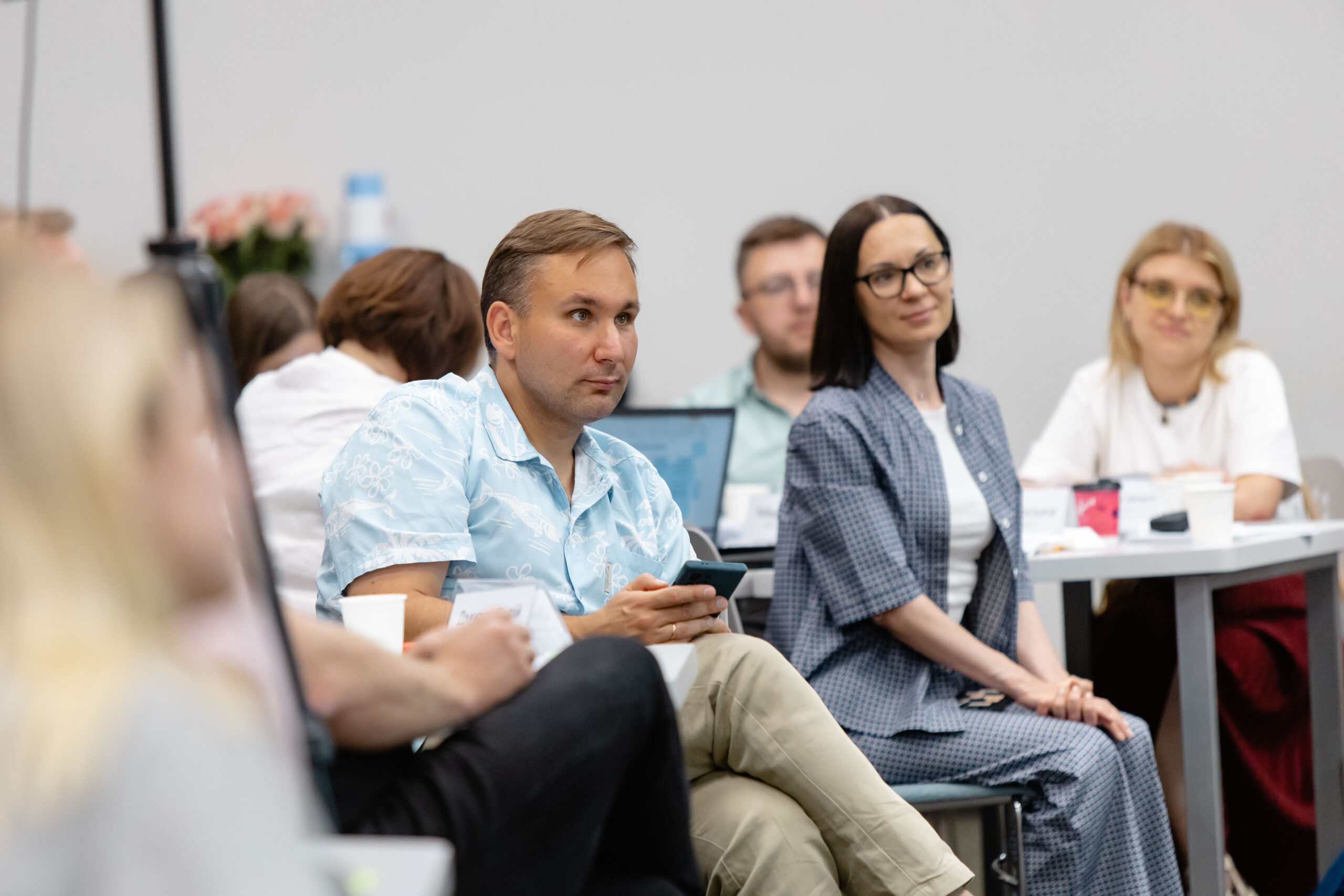 Looking Ahead
Although Leaders for Public Health 2.0 has come to an end, the impact of its graduates is only beginning to grow. Equipped with expertise in fundraising, advocacy, and strategic management, this newly formed network of professionals is ready to advance a new culture of health across Ukraine.
Summing up the initiative’s long-term vision, Vladyslav Zbanetskyi, Project Manager of Act for Health, said:
“The project may come to an end, but its people will carry its legacy forward. They will continue doing remarkable work to help Ukrainians live healthier lives and build stronger, more resilient communities.”
Leaders for Public Health 2.0 is implemented by UCU Business School in partnership with One Health and the UCU Center for Public Health Development as part of the Ukrainian–Swiss Act for Health project, funded by Switzerland.