






As part of the International Economic Forum (IEF) 2026, a panel discussion titled “Resilience Capital: Business as a Key Pillar of the Total Defense Architecture” explored the evolving role of leadership amid global security challenges.
The discussion brought together Yaryna Boychuk, CEO of UCU Business School; Lieutenant Colonel Oleh Musiiovskyi, Commander of a Special Operations Unit; Anton Drobovych, Head of the Center for Human Rights and War Memorialization; Kateryna Zahorii, Chair of the Board of Directors of “Darnytsia” and UCU Senator; and Yurii Lomikovskyi, Co-founder of the IRON Cluster. The conversation was moderated by Oksana Kulakovska, Director of the UCU Analytical Center.
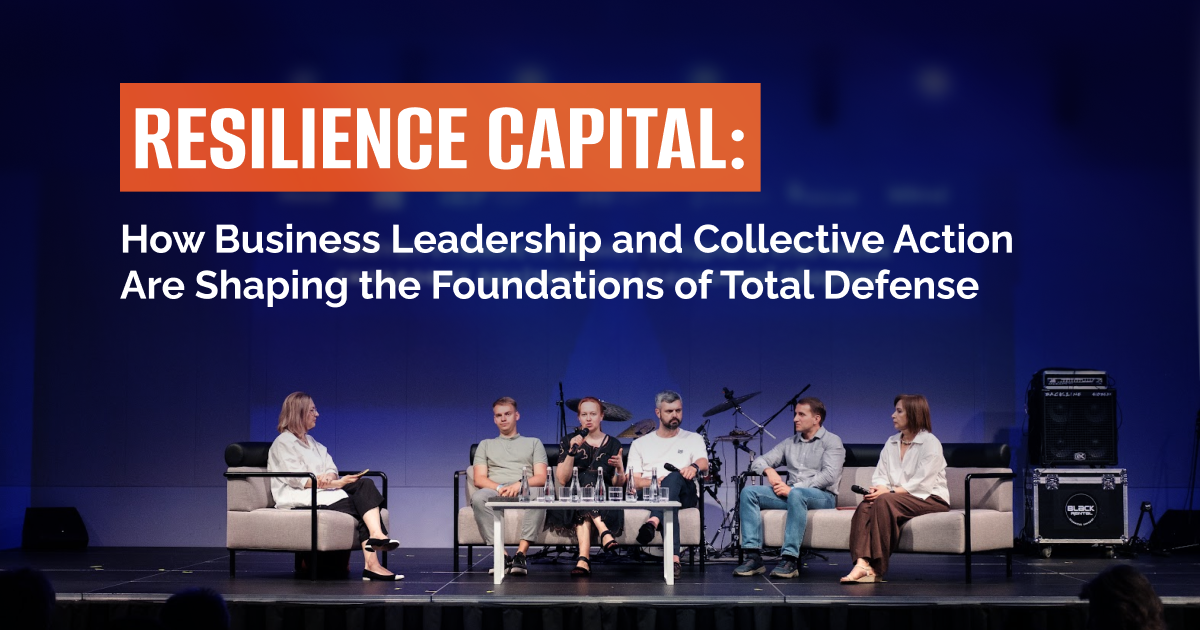 All panelists are alumni of the Total Defense: Leadership for Resilience executive program, bringing together perspectives ranging from military strategy and public policy to corporate governance and business leadership.
A Paradigm Shift: Business as a Pillar of National Defense
Yaryna Boychuk emphasized that Ukrainian business has undergone a profound transformation over the past several years. Where companies once sought autonomy from the state, they have now become an indispensable part of Ukraine’s security architecture.
“There was a time when the prevailing mindset was: ‘Leave us alone—we’ll pay our taxes and continue growing our businesses.’ Today, we have realized that business is no longer the rear. It is no longer merely an economic actor—it has fully embraced the challenges brought by the war.”
Expanding on the changing nature of leadership, Boychuk argued that corporate success can no longer be measured solely through financial performance. Increasingly, it is defined by a company’s contribution to society and its commitment to shared values.
“Today we are talking about values and mission. Whether we are citizens or businesses, we all need to understand our mission in what we do and the impact we create.”
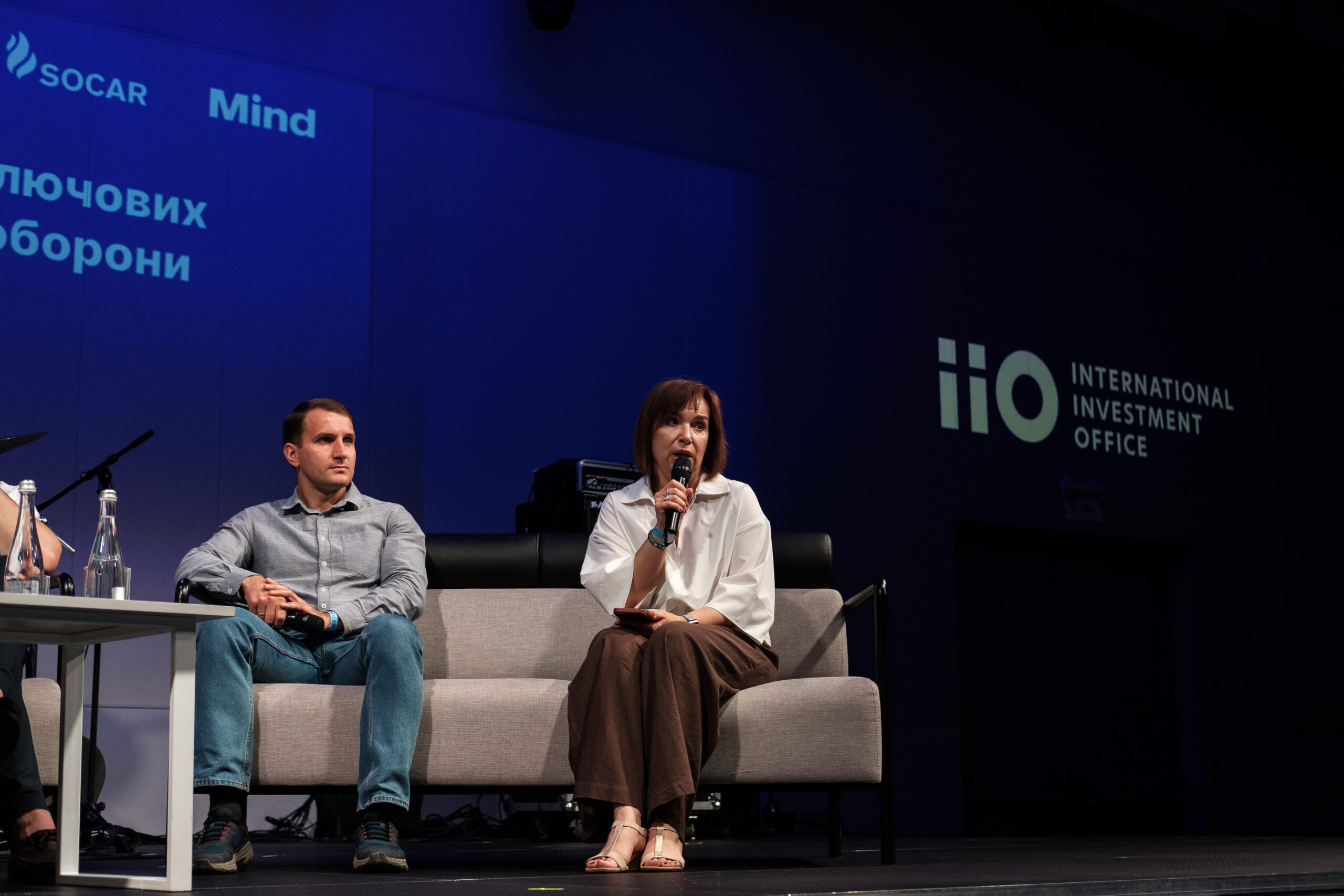 She also suggested that Ukraine’s emerging model of systemic cooperation between business, government, and society could become a valuable contribution to global security and strengthen Ukraine’s role on the international stage.
“If we succeed in building a system of cross-sector collaboration for our country’s security, it will become another valuable solution that Ukraine can share with the world—allowing us to act as an independent and influential player on the global stage.”
Shared Responsibility for the State
Drawing on the experience of one of Ukraine’s largest pharmaceutical companies, Kateryna Zahorii explained that national survival has effectively become the organization’s primary corporate KPI. In the current environment, ambitions for international expansion have necessarily taken a back seat to strengthening the country’s resilience.
“Our number one priority is defending the country. Everything else comes second or third. We have deliberately postponed our plans for international expansion.”
Reflecting on the reality that no place in Ukraine can truly be considered safe, Zahorii stressed that every business leader—regardless of industry—must actively contribute to strengthening the state.
“There is no such thing as a rear anymore. The war affects every part of our territory. That means we must be prepared to invest everything beyond our core operations into increasing national resilience.”
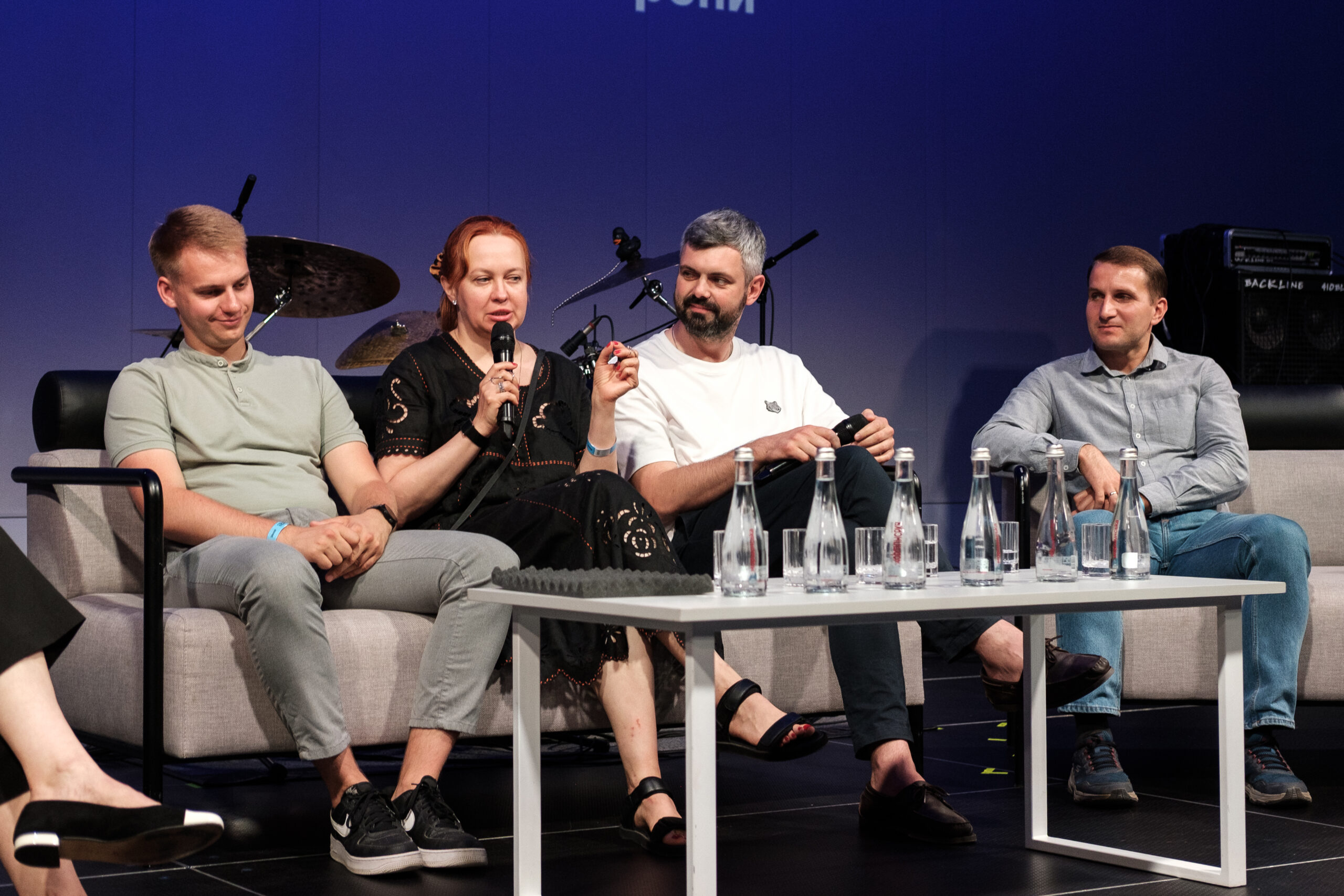 She concluded with a powerful metaphor, encouraging both citizens and entrepreneurs to treat the state with care, empathy, and personal responsibility.
“Treat the state as if it were a small child. Don’t be indifferent. Wherever something hurts, step in immediately—raise the issue and solve it. There are no other adults in this room besides us.”
The Military as a Laboratory for Innovation
Lieutenant Colonel Oleh Musiiovskyi highlighted that modern warfare has become an unprecedented catalyst for technological innovation and new approaches to leadership and management. He described the Armed Forces not only as an institution of national defense but also as a unique environment for testing, refining, and scaling innovative solutions.
He also called on HR leaders to establish closer partnerships with military units so that mobilized professionals can continue applying and developing their expertise while serving.
“The best model of cooperation is for a company’s HR department to maintain relationships with military units and understand where their specialists can best serve.”
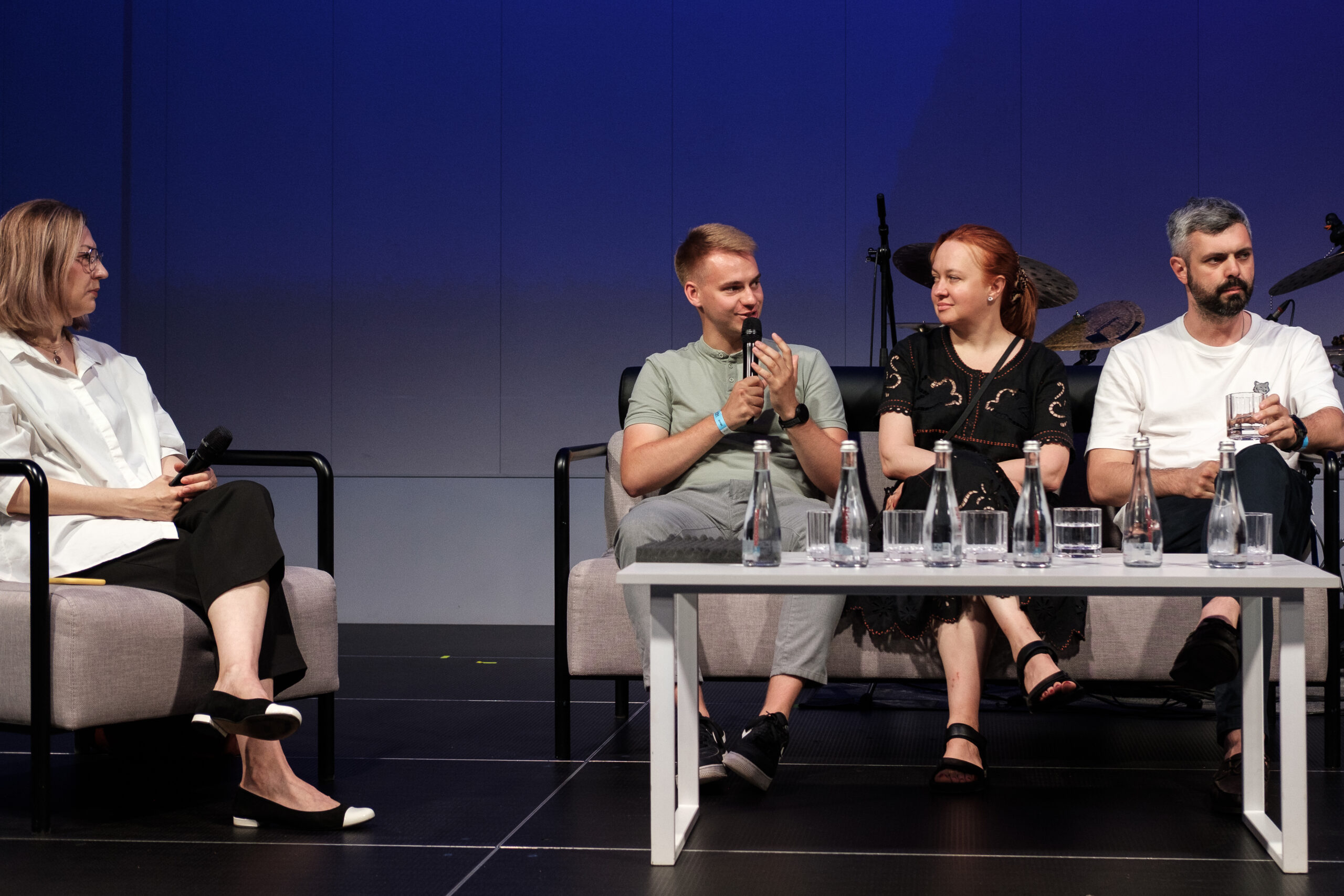 Anton Drobovych reinforced the importance of horizontal societal cohesion, recalling a historical principle: even the world’s strongest army cannot defeat a nation that acts as a unified organism.
“The rule is very simple: even the largest army in the world stands no chance if it is opposed not merely by an army, but by an entire nation.”
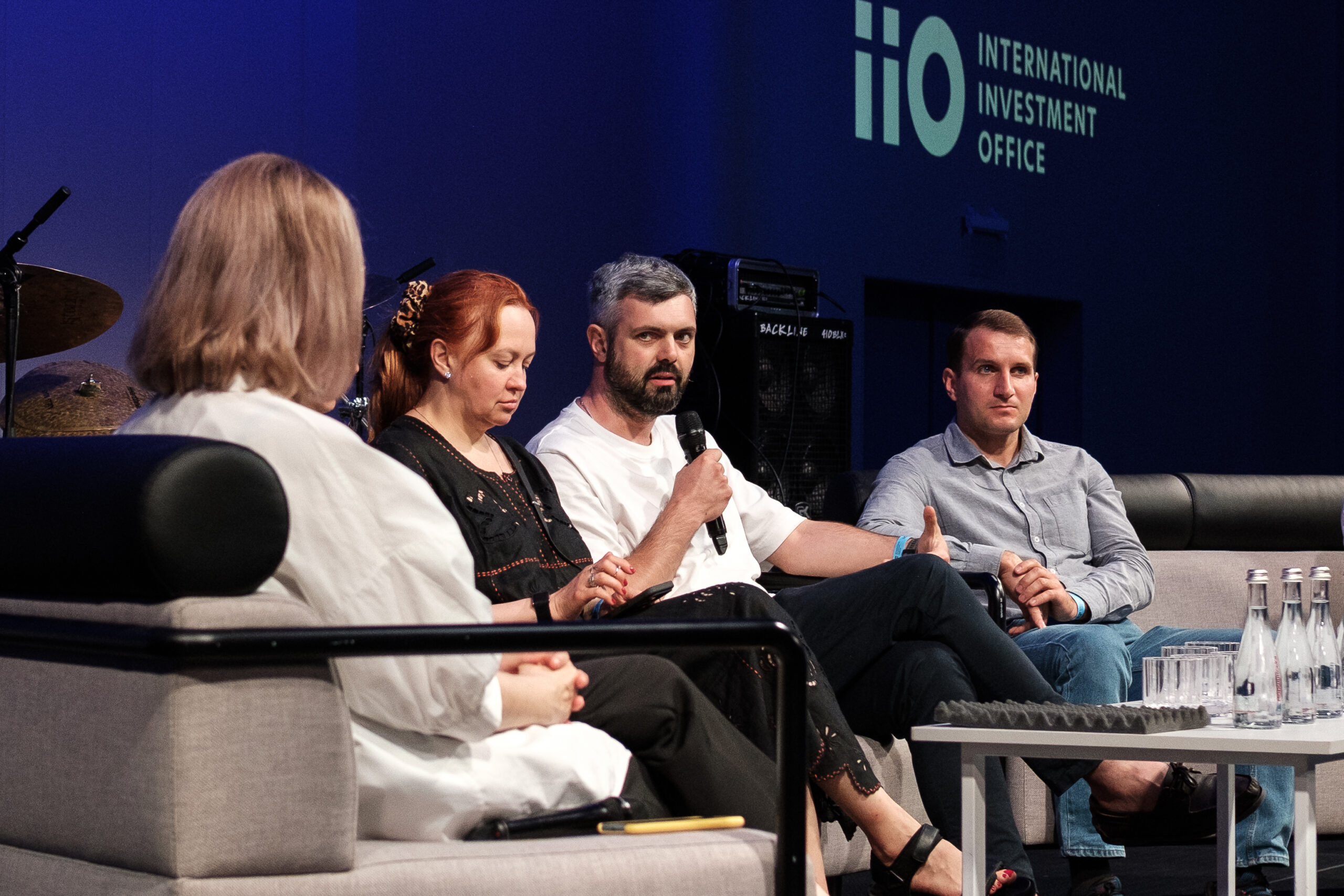 Drobovych also noted that entrepreneurial thinking has proven exceptionally valuable on the battlefield, enabling the creation of highly effective military organizations built on principles familiar to business.
“Business leaders who have joined the security sector are achieving extraordinary results. Units like Khartiia demonstrate what happens when business principles are transformed into military organizations—they produce exceptional results.”
Strategic Autonomy and the Pace of Innovation
Yurii Lomikovskyi stressed the importance of investing in strategically critical sectors that can reduce Ukraine’s dependence on foreign suppliers.
“Invest in what strengthens our strategic autonomy—for example, in critical components that reduce our dependence on countries that are not our allies.”
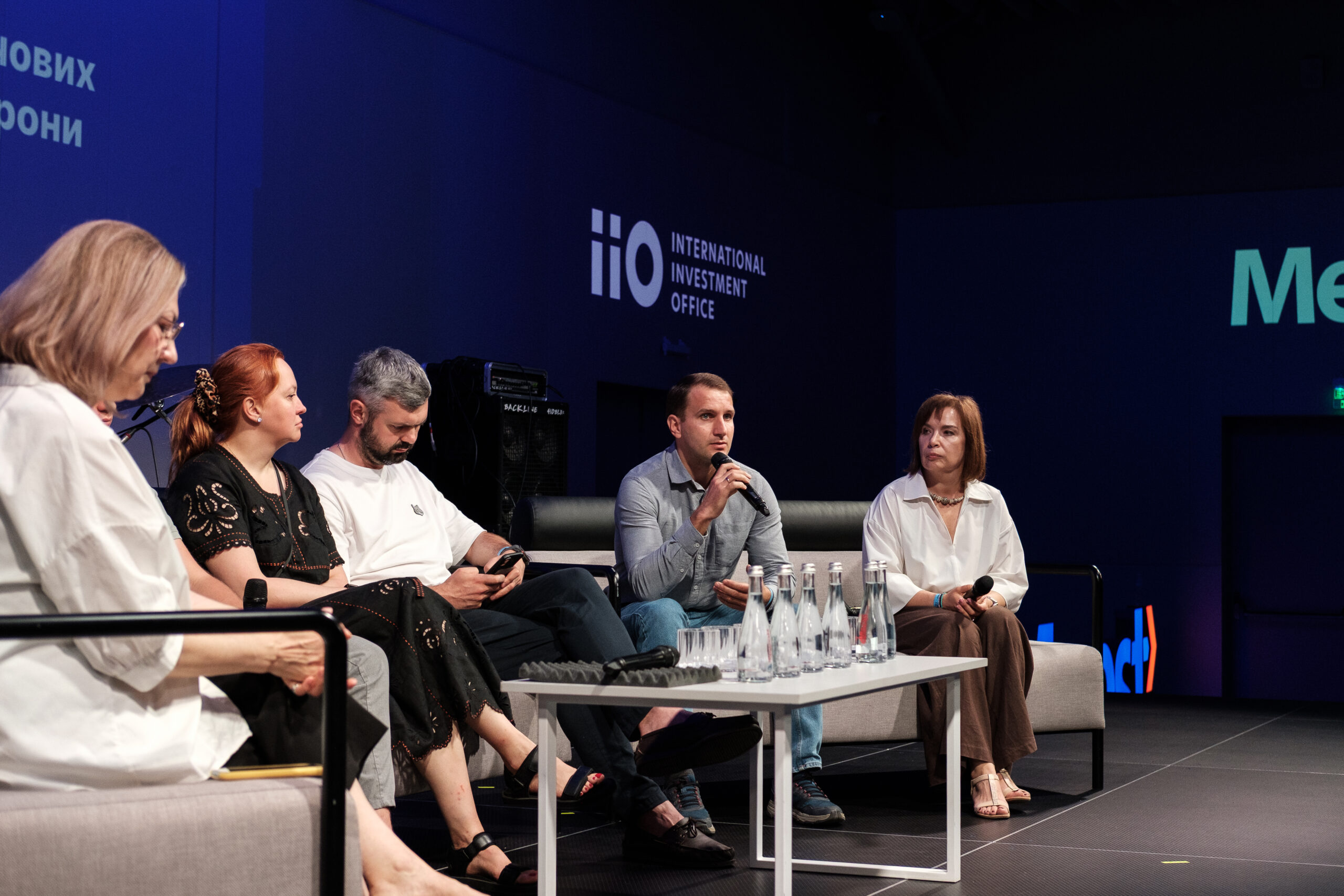 He also pointed to the remarkable speed of innovation within Ukraine’s defense sector, where development cycles significantly outpace conventional NATO standards.
Closing the discussion, moderator Oksana Kulakovska emphasized that Ukraine’s resilience ultimately depends on every individual taking responsibility for their role within a much larger system.
About the International Economic Forum
The International Economic Forum (IEF) 2026 is one of Ukraine’s leading platforms for dialogue between investors, business leaders, and policymakers. This year’s forum brought together approximately 4,000 participants and 50 leading speakers to discuss strategies for economic recovery, artificial intelligence, energy security, and human capital development. The event was held in a hybrid format, combining an in-person conference in Lviv with a global online broadcast.