






Is the Ukrainian economy ready to become a reliable support system for those returning from the front line? Behind the readiness indicators lies a far greater challenge: transforming corporate cultures so that military experience is recognized as professional capital and company policies are designed around people rather than labels.
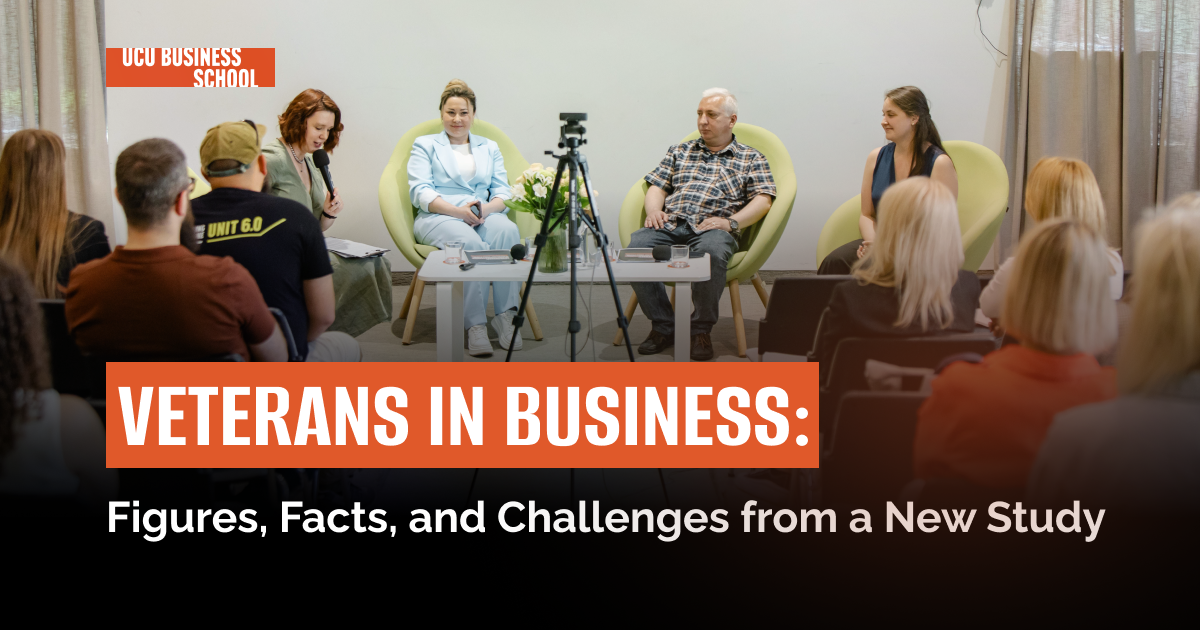
Supporting veterans and fostering their successful reintegration is a strategic priority for Ukrainian Catholic University and UCU Business School. To advance this mission, the UCU Center for Monitoring and Research, in partnership with UCU Business School and with the support of the Ukraine-Moldova American Enterprise Fund, launched the study “Veterans in Small and Medium-Sized Businesses: Employment and Integration Practices.” The findings were presented at UCU Business School, bringing together researchers, business leaders, company owners, and representatives of veteran support organizations to explore effective approaches to veteran employment and workplace integration.
 Research as a Baseline for the Market
The event opened with remarks from UCU Business School’s Chief Operating Officer, Khrystyna Dolna, who presented the findings of a study conducted between January and May 2026. Surveying 254 companies across 18 regions of Ukraine, the research revealed a high level of openness within the business community. Despite ongoing air raid alerts and broader wartime challenges, businesses continue to demonstrate a strong sense of empathy: 88% of surveyed companies reported that they are willing to hire veterans.
“This study served as a baseline for understanding the current landscape. We wanted to see whether small and medium-sized businesses recognize the value that veterans bring to their teams. The findings show that businesses are ready, but they often lack information about available government support and practical ways to build trust and integration within their organizations,” said Khrystyna Dolna.
According to the study, 45% of small and medium-sized enterprises already have experience employing veterans. At the same time, 61% have not yet introduced any specific workplace adaptations, highlighting the need for clearer internal policies and integration practices.
 Military Experience as Professional Capital
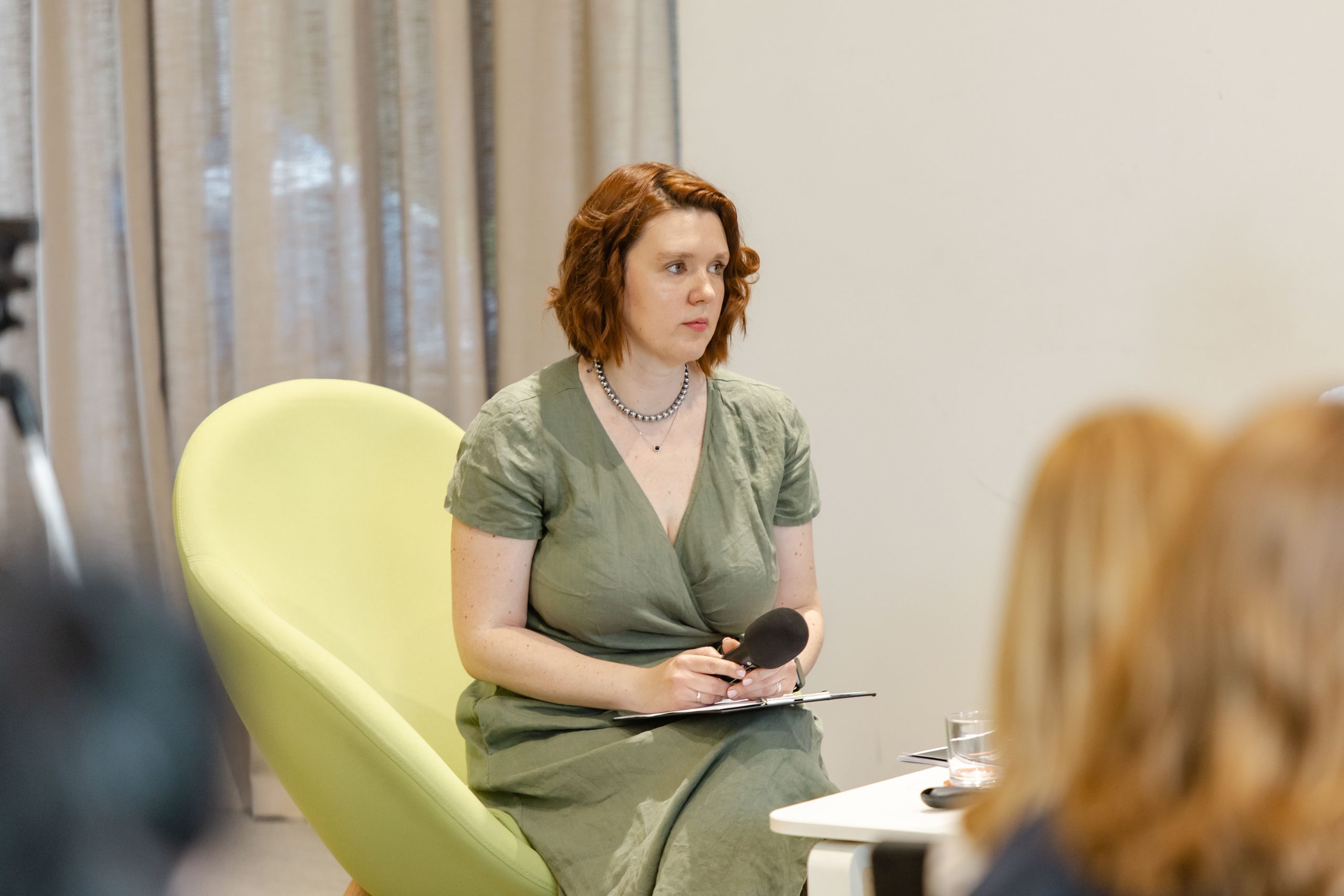
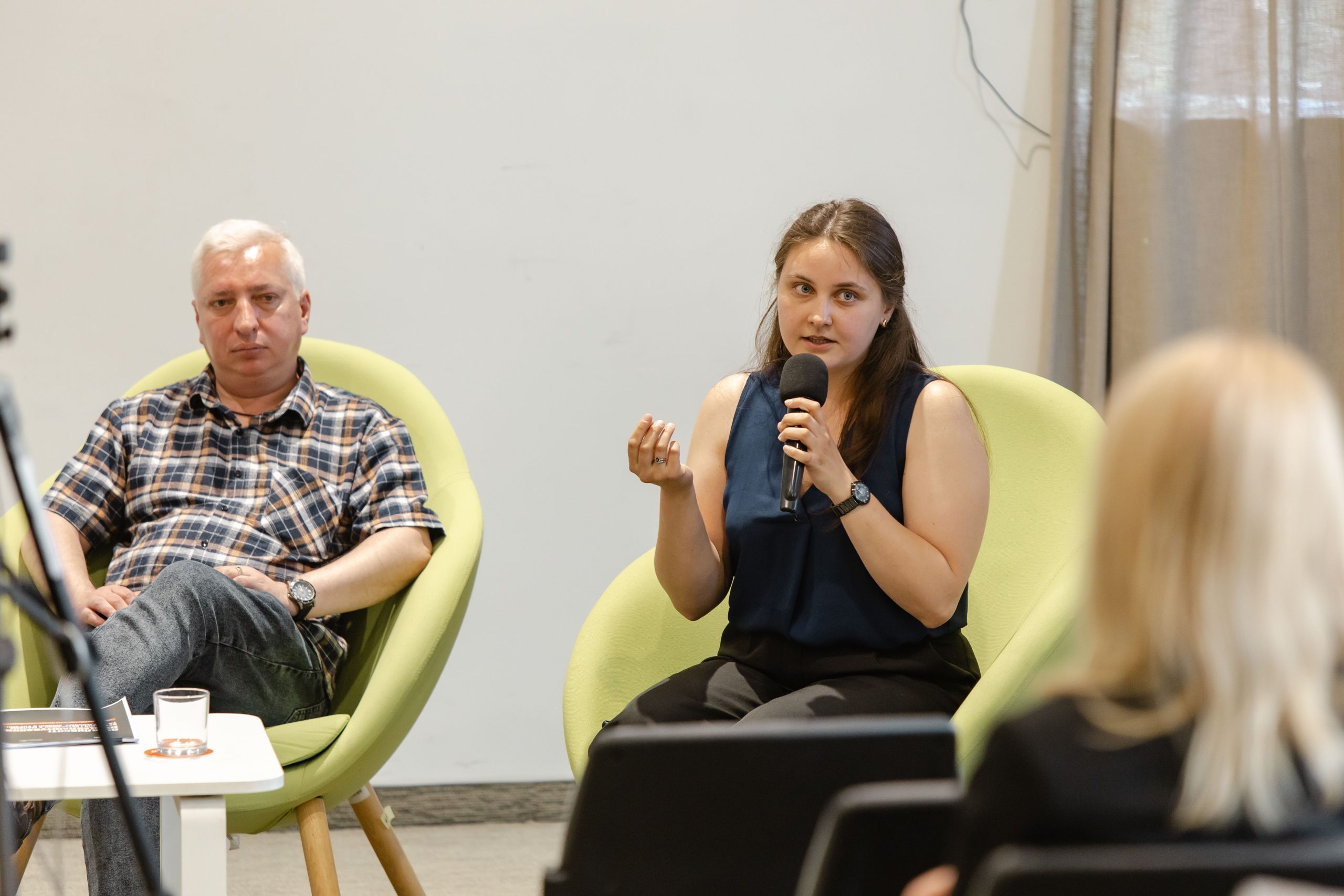
During the panel discussion, Yuliia Vasylenko, Head of the UCU Center for Monitoring and Research, emphasized the importance of rethinking the skills acquired through military service. She argued that businesses must learn to translate military experience into professional competencies.
“When a platoon commander responsible for the lives, coordination, and support of dozens of people applies for a leadership position, that experience represents a tremendous management asset. We need to create stronger connections between military and civilian career paths so that employers see veterans not as individuals starting over, but as professionals with unique and valuable expertise,” Vasylenko noted.
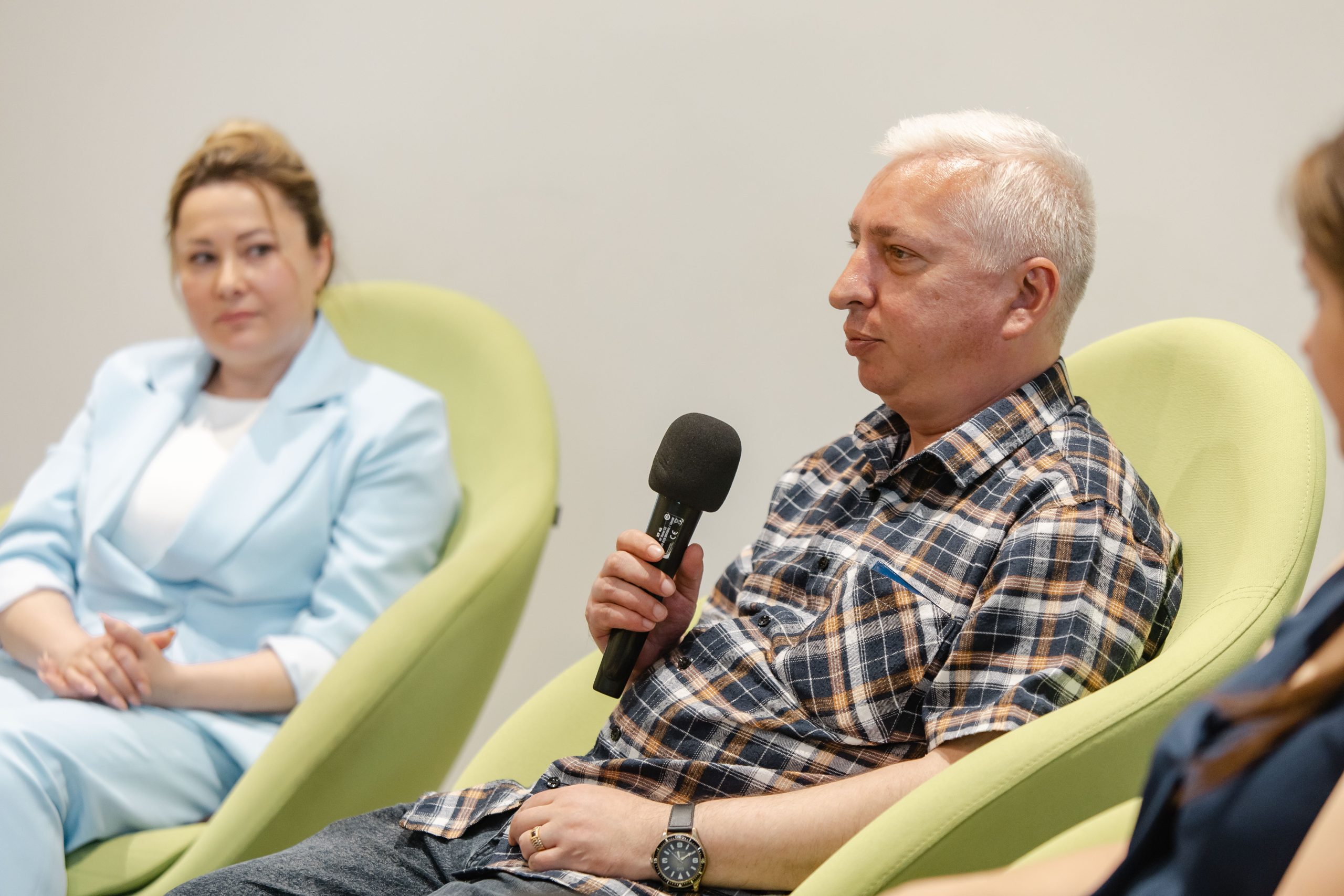
 This perspective was echoed by Andrii Koliasa, Head of a Veteran Support Center branch, who stressed that preparation for veteran employment should begin not with the veteran, but with educating civilian teams about effective communication and the realities of reintegration of the military.
 The Power of Authenticity: Business Cases and Government Support
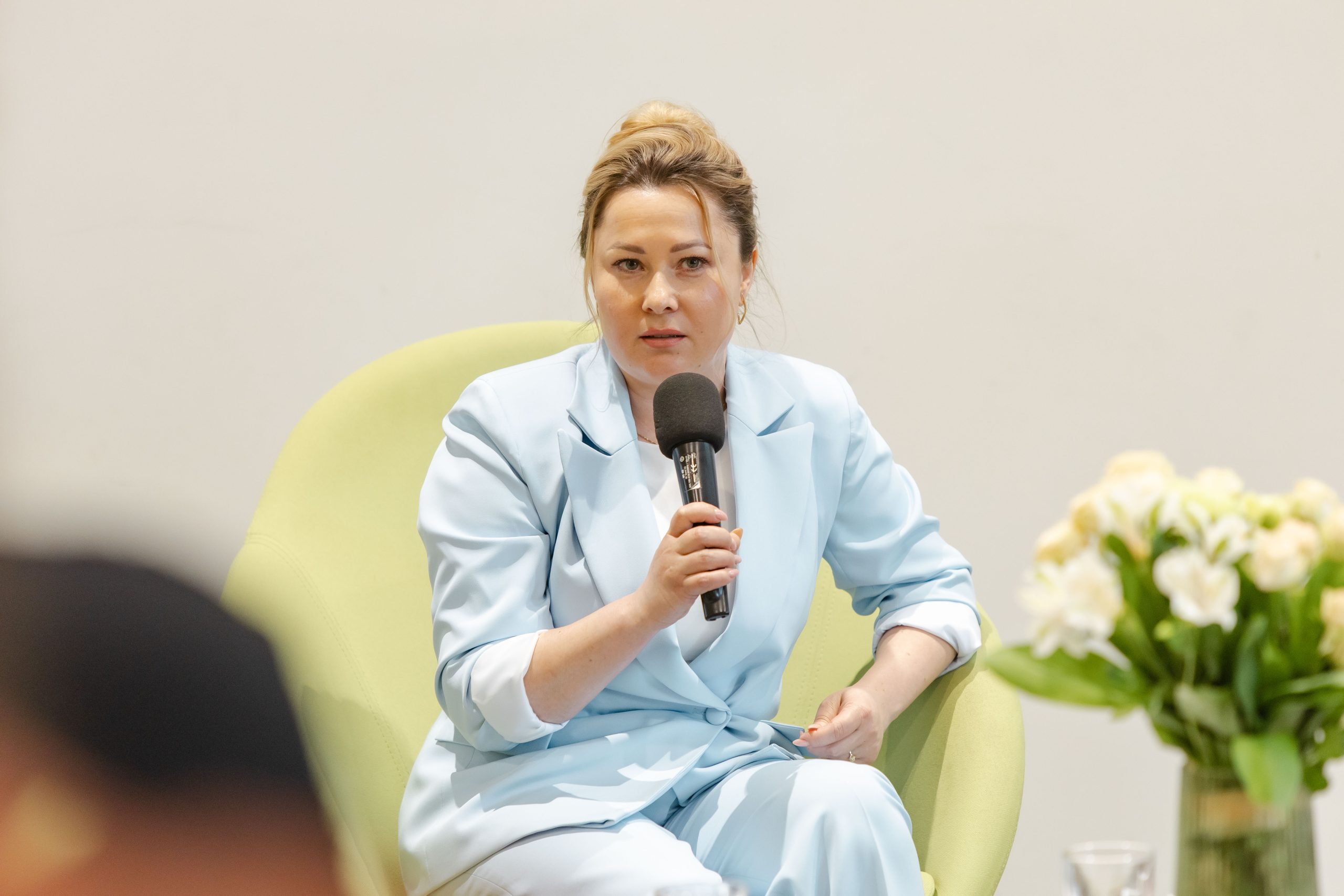
For many small businesses, the greatest barrier remains the perceived complexity of adaptation and the associated financial costs. Yet the experience of Metalworkshop, which currently employs ten veterans, tells a different story. During the discussion, the company’s HR Director, Nelia Panasiuk, challenged common misconceptions about bureaucracy and shared practical lessons from her team’s experience.
“We realized that veterans do not need complicated adaptation programs—they need clarity, respect, and honest communication. Working with veterans is straightforward when you approach the relationship with sincerity. We have also seen firsthand that the government can be a genuine partner in this process. We actively use available support mechanisms, including Resolution No. 893. Through the Diia platform, adapting a workplace for a veteran with an injury took us less than ten days—from purchasing equipment to receiving reimbursement directly from the state,” Panasiuk explained.
Participants were also reminded of existing government support measures, including compensation of up to 10–15 minimum monthly wages for adapting workplaces for employees with disabilities. In addition, Employment Centers offer career counseling services and reskilling programs, including training for drone operators for civilian-sector applications.
 “Policies Should Be About People, Not Status”
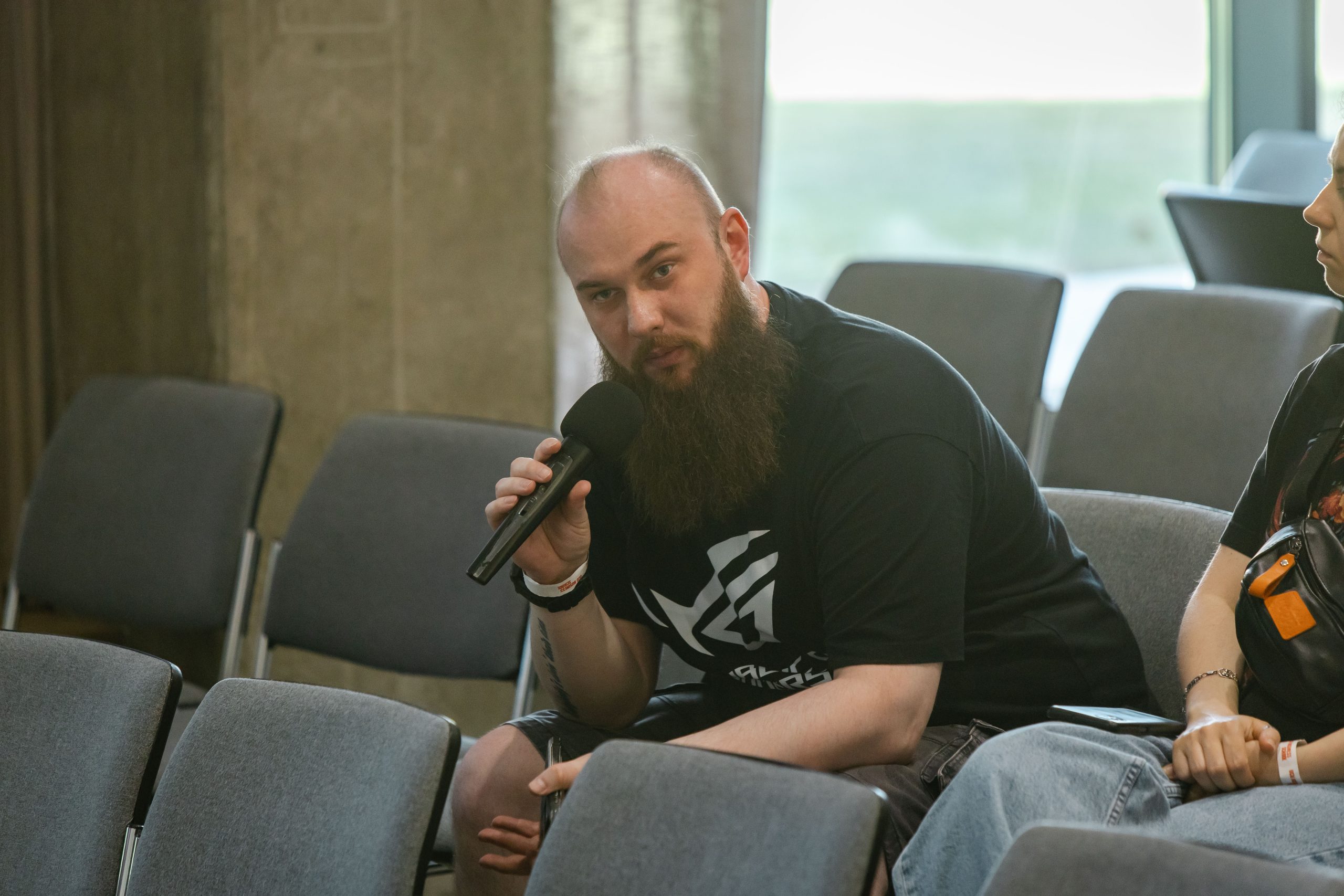
Audience discussions highlighted the importance of maintaining meaningful connections with employees serving in the military. Oksana Sydomer of Lvivvodokanal shared the company’s communication and support practices for mobilized employees and their families.
Representatives from the IT sector added that flexible schedules and remote work opportunities are often critical in helping veterans remain professionally engaged. One participant described a successful two-year collaboration with a veteran designer who continued contributing through project-based assignments with flexible deadlines. Such arrangements make it possible for veterans to remain active in civilian professions while serving or recovering, providing both a sense of purpose and additional financial stability.
The discussion ultimately underscored a key principle: company policies should reflect the individual journey of every veteran. Only a human-centered approach—one that sees the person rather than the label—can transform the workplace into a space for genuine professional and social reintegration.
 Towards an Inclusive Economy
In closing, participants emphasized that veteran integration is not only a matter of social responsibility but also a prerequisite for the resilience and long-term growth of Ukraine’s economy.
UCU Business School plans to continue this work through a series of policy-development workshops and educational webinars, helping businesses gain the knowledge, tools, and confidence needed to take meaningful action.
The full research report, including detailed findings on methodology, challenges, and the evolving needs of the business community, is available for download. The insights can help organizations become stronger and more effective partners for Ukraine’s veterans as they transition back into civilian life.
Read more: 85% of Ukrainian Employers Are Ready to Hire Veterans: Findings from a UCU Business School Study.